Professional Tree Removal Services: Maintaining Safety and Beauty in Your Yard
Tree removal service options are a vital aspect of preserving a secure and aesthetically pleasing outdoor space. Trees that are overgrown, damaged, or diseased can present serious hazards to both property and people. Moreover, carefully planned tree removal can greatly elevate the overall beauty of an outdoor space. Knowing when and why these services are necessary empowers homeowners to make well-informed choices. What considerations should homeowners evaluate prior to moving forward with tree removal?
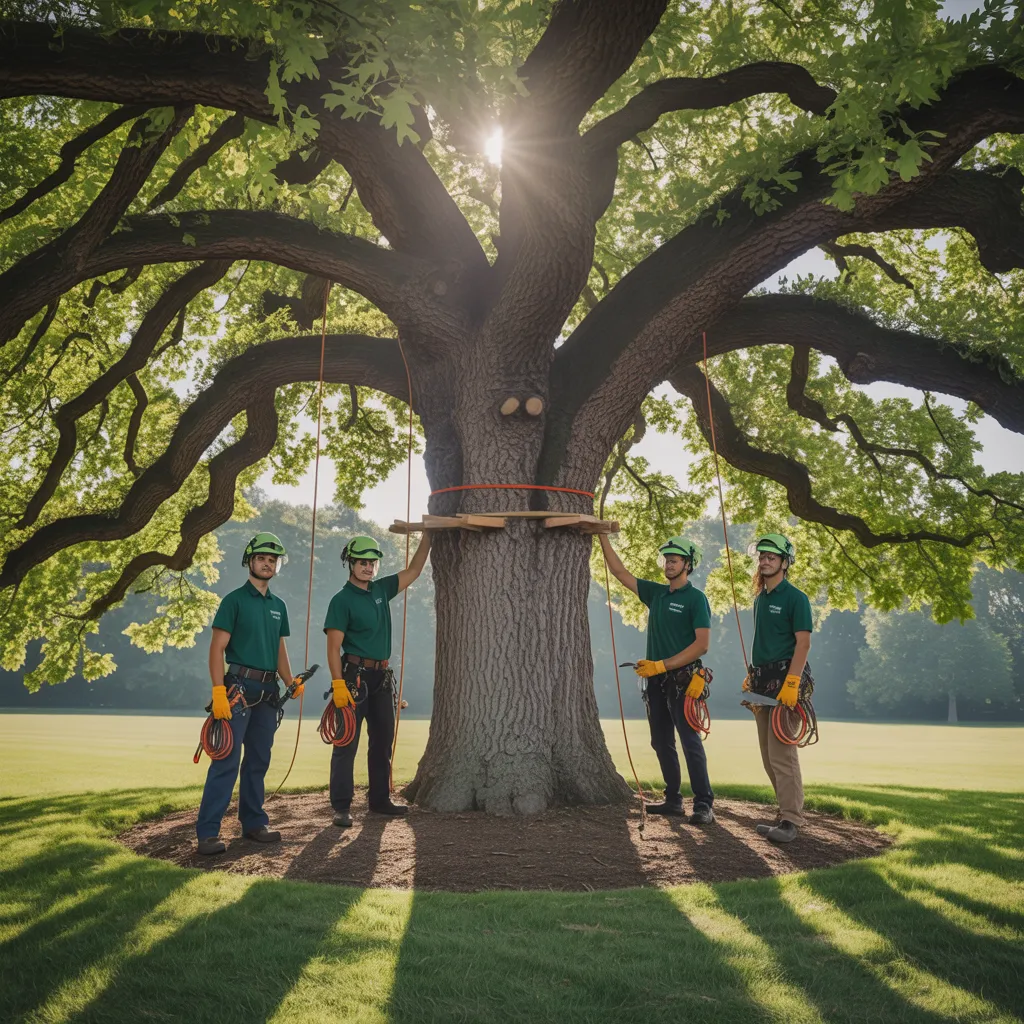
Understanding When Tree Removal Becomes Necessary
Additionally, environmental conditions, such as roots intruding upon foundations or walkways, can necessitate removal. Lastly, the overall appearance and space requirements of a property may affect the final decision. By considering these elements, property managers can make informed choices regarding removing trees, ensuring the safety and visual appeal of their surroundings.
Why Tree Removal Is Essential for Safety
When evaluating the security of a property, removing trees often becomes critical, especially when trees present hazards to surrounding structures or people. Deteriorating or overgrown trees can create substantial risks, including dropping branches or whole trees toppling during severe weather. These occurrences can result in extensive damage to residences, vehicles, and exterior spaces, as well as pose a risk to the safety of inhabitants and visitors.
Furthermore, trees plagued by pests or diseases may compromise their structural integrity, increasing the likelihood of unexpected failures. In urban areas, presence near power lines considerably elevates the requirement for removal, as fallen branches can interfere with electrical services and cause dangerous situations.
How Professional Tree Removal Enhances Landscape Aesthetics
Professional tree removal substantially enhances outdoor aesthetic quality by improving visual balance within outdoor spaces. By thoughtfully taking out overgrown or improperly situated trees, property owners can boost natural light penetration, fostering stronger growth in adjacent plant life. Additionally, a well-maintained landscape often leads to enhanced property value, making expert tree removal a valuable financial decision.
Improved Visual Balance
A carefully tended landscape typically requires the thoughtful balance of its elements, and tree removal can prove essential to achieving this harmony. When certain trees become overgrown or misaligned with the overall design, they can disturb the natural rhythm of the yard. Professional tree removal allows homeowners to reconfigure views and develop a more cohesive aesthetic. This process can bring greater attention to existing features, such as planted areas or landscape structures, allowing them to flourish without being essential guide overshadowed by unruly foliage. Furthermore, the removal of damaged or lifeless trees can prevent visual clutter, contributing to a more pristine visual presentation. Ultimately, carefully planned tree removal fosters a sense of order, enhancing the beauty and appeal of the overall landscape.
Amplified Sunlight Exposure
Even though trees supply shade and protection, too much canopy coverage commonly causes decreased natural light in outdoor spaces. Skilled tree removal can substantially boost the attractiveness of outdoor environments by enabling more sunlight to filter through. Greater sunlight encourages lusher grass and vegetation, supporting vivid colors and robust growth. Moreover, it can cultivate a more appealing setting, causing outdoor spaces to appear more expansive and accessible. This transformation can also highlight architectural features of the home and improve the overall visual balance of the landscape. Through the careful removal of specific trees, homeowners can attain a balanced combination of greenery and natural light, elevating the pleasure of their outdoor living space.
Elevated Property Value
Professional tree removal can substantially increase property value by elevating landscape aesthetics. By removing dead, diseased, or overcrowded trees, homeowners are able to establish a more spacious and welcoming environment. This not only enables greater sunlight access but also draws attention to the existing plants, rendering the yard more groomed and visually pleasing. Skilled tree removal professionals make certain that trees are taken down safely and efficiently, protecting adjacent structures from potential damage. Additionally, a well-maintained landscape can boost curb appeal, making properties more enticing to potential buyers. Through investing in expert tree removal, homeowners can substantially enhance the visual attractiveness of their outdoor spaces, ultimately driving an increase in total property value and desirability.
What to Consider When Choosing a Tree Removal Service
When choosing a tree removal service, what attributes should one look for to secure a safe and efficient process? First, check the company's certifications, including proper insurance and valid licensing. This validates the service's authenticity and safeguards against unforeseen liabilities. Furthermore, consider the experience and expertise of the crew. An experienced crew can properly evaluate the circumstances and complete the removal without harming nearby structures.
In addition, past client reviews and recommendations help gauge the company's dependability and standard of work. A reliable service provider should also provide clear and detailed estimates and a well-defined process, outlining potential risks and strategies. Finally, inquire about the safety precautions and tools utilized throughout the removal. Focusing on these factors can result in a more seamless experience, confirming that the tree is removed efficiently while maintaining safety and professionalism throughout the procedure.
Yard Care Tips After Tree Removal
After tree removal, property owners should prioritize rejuvenating the outdoor space to bring back its visual charm and vitality. The first step involves evaluating the area for residual roots or waste material, which may obstruct new plant development. Clearing away any leftover stump or wood chips is essential for avoiding pest infestations and making room for new vegetation.
Next, property owners should evaluate soil condition. Performing soil testing can identify nutritional gaps, allowing for the right corrective treatments to support new plant life. Replanting with native or suitable species can contribute to sustaining the natural ecosystem and elevate the overall appearance of the landscape. Placing mulch near new plantings retains moisture and suppresses weeds.
Routine watering and pest monitoring are critical during the early growth stage. In addition, developing a consistent upkeep routine, including periodic pruning and fertilization, will encourage a vibrant landscape. By implementing these recommendations, property owners can ensure their lawns flourish after tree removal.
Dispelling Common Misconceptions About Tree Removal Services
In the domain of tree removal services, various misunderstandings often surface that can mislead homeowners. These myths often overlook vital aspects such as safety risks and the environmental impact of tree removal. Through examining these widespread misconceptions, greater insight into professional tree removal practices can be achieved.
Widespread Myths and Misconceptions Debunked
Misconceptions about tree removal services often cloud public understanding, causing homeowners to avoid seeking expert guidance. One widely held belief is that all tree removal is dangerous and should be attempted only by trained professionals. Although safety remains a top priority, many trees can be removed with proper techniques and equipment. An additional false belief is that removing a tree automatically boosts property value; though in reality, this depends heavily on a range of different factors. Moreover, certain homeowners think that taking down a tree creates an unappealing outdoor space, yet professional services can significantly improve outdoor appeal with thoughtful design. At its core, correcting these false beliefs helps property owners approach tree removal decisions with greater knowledge and assurance.
Safety Hazards Overlooked
Despite the common belief that tree removal is an easy undertaking, many homeowners underestimate the safety risks involved. The process is not merely about cutting down a tree; it demands professional knowledge to address potential hazards such as falling branches, electrical lines, and unstable ground. Inexperienced persons often overlook these dangers, leading to injuries or property damage. Additionally, the use of heavy equipment necessitates specific knowledge to operate safely. False beliefs continue that hiring professionals is not required, yet experienced tree removal services are prepared with the right tools and safety protocols to reduce dangers. Dismissing these safety concerns can have serious repercussions, making it imperative for homeowners to understand the complexities of tree removal before attempting it themselves.
Myths About Environmental Impact
Though it is widely thought that tree removal is always damaging to the environment, this viewpoint frequently neglects key considerations. When conducted properly, tree removal can foster ecological stability. To illustrate this point, removing dead or diseased trees prevents the spread of pests and diseases, safeguarding surrounding flora. Furthermore, strategic tree removal can enhance sunlight exposure for healthier plants and strengthen soil conditions by limiting the rivalry for essential nutrients. Beyond this, once trees are cleared, responsible measures including replanting or using native species in landscape design can result in greater biodiversity. Misconceptions claiming that tree removal is always harmful fail to acknowledge the advantages of deliberate action, showing that properly executed tree removal can have beneficial environmental effects. Recognizing these subtleties is key to thoughtful and knowledgeable tree care decisions.
Popular Questions We Receive
How Much Does Tree Removal Typically Cost?
The typical cost of tree removal ranges from $300 to $2,000, depending on factors such as tree size, location, and complexity of the job. Extra charges may apply for stump removal or challenging access conditions.
Will Homeowners Insurance Pay for Tree Removal?
The removal of trees may be part of a homeowners insurance policy, depending on the details of the policy and why the removal is needed. It is important for property owners to thoroughly review their coverage and consult with their insurance providers for clarity.
How Long Does It Take to Complete the Tree Removal Process?
The process of tree removal generally requires a few hours to a full day, depending on the tree's size, location, and complexity of the job. Factors like crew and equipment availability can also impact the length of the job.
Can I Remove a Tree Myself?
Taking down a tree on your own is feasible, but it demands considerable expertise, ability, and cautionary measures. Numerous elements, such as the tree's size and placement, affect the choice. Professional assistance is often recommended to guarantee safety and proper technique.
What Permits Do You Need for Tree Removal?
Local ordinances frequently determine the required permits for tree removal. Typically, residents must refer to local regulations, as permits could be needed for specific tree species, measurements, or if the tree is found within environmentally protected regions.